
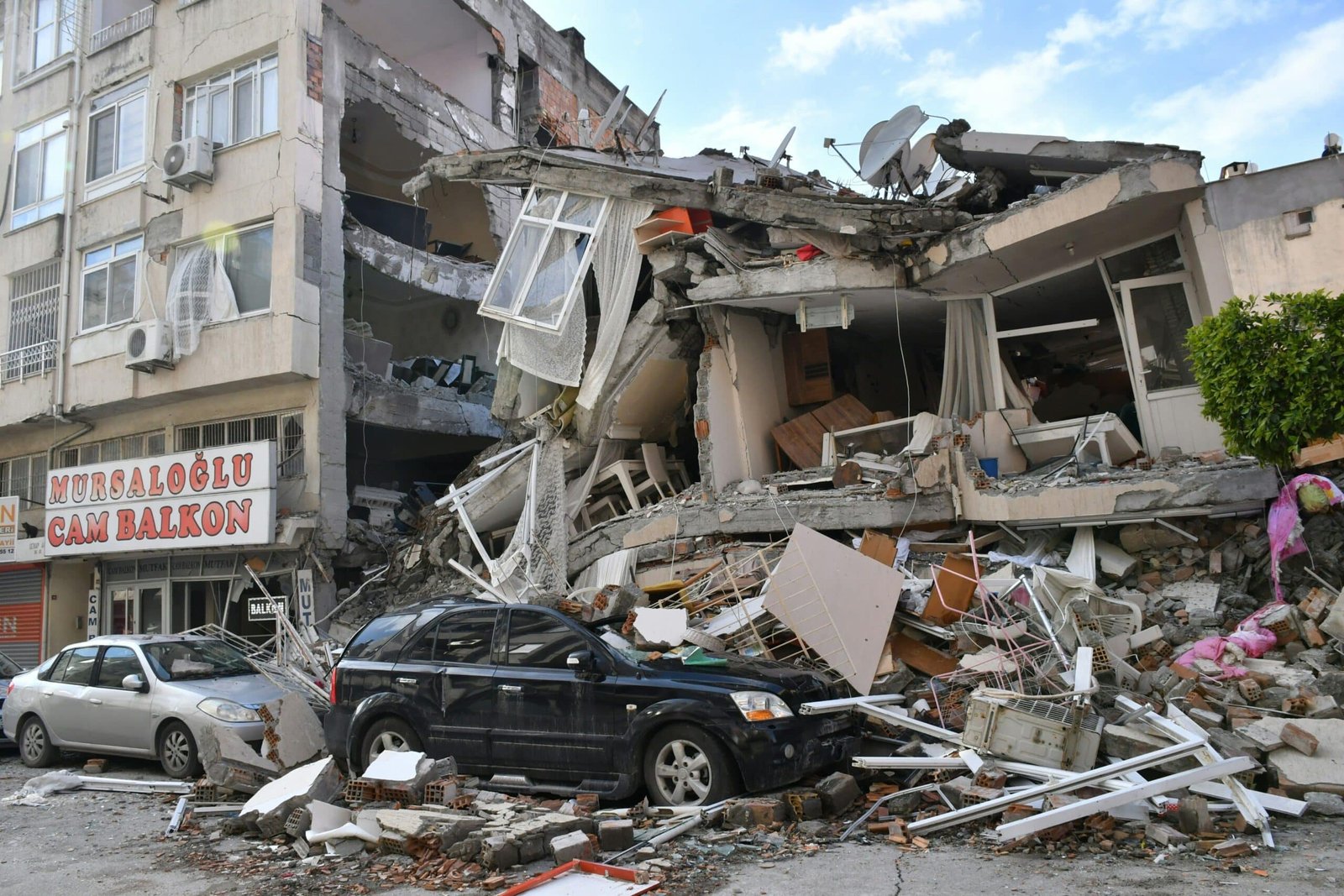
Environmental hazards in hostile environments are natural disasters and climate-related threats—such as floods, landslides, earthquakes, tsunamis, and hurricanes—that endanger personnel, disrupt operations, and damage infrastructure during deployments in unstable or high-risk regions.
Deployment to hostile regions exposes personnel to more than security risks. Environmental hazards in hostile environments can rapidly escalate into life-threatening emergencies, especially where infrastructure is weak and emergency response systems are limited.
Understanding these risks — and preparing for them — is essential for operational continuity, personnel safety, and mission success.
Why Environmental Hazards in Hostile Environments Are More Dangerous
Natural disasters are challenging anywhere. In hostile or unstable regions, they become significantly more dangerous due to:
-
Weak infrastructure
-
Limited emergency services
-
Damaged evacuation routes
-
Communication breakdowns
-
Security instability
-
Delayed medical response
When environmental hazards strike under these conditions, response options are restricted. Preparation is therefore critical.
Common Environmental Hazards in Hostile Environments
1. Floods
Flooding is one of the most frequent environmental hazards in hostile environments.
Key risks:
-
Drowning and injury
-
Infrastructure collapse
-
Vehicle accidents in floodwater
-
Triggered landslides and debris flows
Most flood-related fatalities occur when individuals attempt to walk or drive through floodwater.
Types of flooding:
-
Seasonal floods caused by prolonged rainfall
-
Flash floods that develop suddenly and violently
In unstable regions, flooding can isolate field teams and disrupt supply chains.
2. Landslides and Debris Flows
Landslides are sudden downhill movements of soil, rock, and debris. They often occur:
-
During rainy seasons
-
In mountainous terrain
-
After earthquakes
-
In areas with deforestation or unstable soil
Warning signs:
-
Cracks in roads
-
Small rockfalls
-
Mud accumulation
-
Leaning trees or poles
Landslides can block evacuation routes and delay emergency response in hostile environments.
3. Earthquakes
Earthquakes are unpredictable and can strike without warning.
Major tremors may cause:
-
Building collapse
-
Fires and explosions
-
Bridge failure
-
Secondary landslides
-
Tsunamis in coastal regions
Field teams operating in seismic zones must integrate earthquake preparedness into deployment planning.
4. Tsunamis
Tsunamis are massive ocean waves triggered by:
-
Undersea earthquakes
-
Volcanic eruptions
-
Coastal landslides
In hostile coastal environments, the first tsunami wave may arrive within minutes of a major earthquake, leaving little time for evacuation.
Personnel should:
-
Identify tsunami risk zones
-
Understand local warning systems
-
Pre-plan evacuation routes to higher ground
5. Hurricanes, Typhoons, and Cyclones
Tropical storms are recurring environmental hazards in hostile environments.
They can produce:
-
Winds exceeding 250 km/hr
-
Storm surges
-
Severe flooding
-
Infrastructure damage
-
Long-term power outages
Storm seasons often follow predictable patterns, allowing advance preparation.
How to Prepare for Environmental Hazards in Hostile Environments
Effective preparation significantly reduces risk.
1. Select Safe Accommodation
Avoid:
-
Low-lying flood-prone areas
-
Unstable hillsides
-
Coastal zones at sea level
Inspect buildings for structural weaknesses and identify a designated safe room.
2. Review Emergency Contingency Plans
Before deployment:
-
Study Country or Field Office emergency procedures
-
Map evacuation routes (including walking routes)
-
Identify assembly points
-
Confirm backup communication systems
Evacuation routes may become blocked — always plan alternatives.
3. Monitor Seasonal and Climate Risks
Environmental hazards in hostile environments often follow seasonal cycles:
-
Rainy seasons increase flood and landslide risk
-
Hurricane seasons increase tropical storm risk
-
Seismic zones carry ongoing earthquake risk
Stay informed through local advisories and security briefings.
4. Prepare an Emergency Grab-Bag
Keep an emergency kit near your bed containing:
-
Water
-
Flashlight
-
Identification documents
-
First aid kit
-
Essential medication
-
Extra clothing
-
Portable charger
Rapid access can save critical minutes during nighttime emergencies.
5. Maintain Situational Awareness While Driving
During heavy rain or after tremors:
-
Avoid driving through floodwater
-
Watch for cracks in roads
-
Monitor falling debris
-
Avoid unstable hillside routes
Transport-related incidents increase during natural disasters.
Deployment Safety Checklist
Before deploying to a hostile region, ensure:
✔ Environmental risk assessment completed
✔ Accommodation location reviewed
✔ Evacuation routes mapped
✔ Emergency contacts saved
✔ Grab-bag prepared
✔ Seasonal risks identified
✔ Communication backup confirmed
Proactive planning is the foundation of safety.
Why Environmental Hazard Preparedness Protects Operations
Environmental hazards in hostile environments can:
-
Interrupt humanitarian missions
-
Disrupt logistics and supply chains
-
Increase security vulnerabilities
-
Delay medical assistance
-
Force relocation of personnel
Prepared teams respond faster, recover quicker, and maintain operational continuity.
Frequently Asked Questions
What are environmental hazards in hostile environments?
Environmental hazards in hostile environments include floods, landslides, earthquakes, tsunamis, and tropical storms that threaten personnel and disrupt operations during deployments in unstable regions.
Why are natural disasters more dangerous in hostile regions?
Because infrastructure is often weak, emergency response systems are limited, evacuation routes may be unsafe, and security conditions complicate disaster response.
How can field staff prepare for natural disasters?
By reviewing contingency plans, selecting safe accommodation, preparing emergency kits, identifying evacuation routes, and monitoring seasonal risks.
What is the most common environmental hazard during deployment?
Flooding, particularly flash flooding, is one of the most frequent and dangerous environmental hazards in hostile environments.
Key Takeaways
-
Environmental hazards in hostile environments significantly increase deployment risk.
-
Floods, landslides, earthquakes, tsunamis, and hurricanes are major threats.
-
Preparation reduces fatalities and operational disruption.
-
Structured emergency planning enhances mission continuity.
-
Awareness, training, and proactive risk management are essential.
