
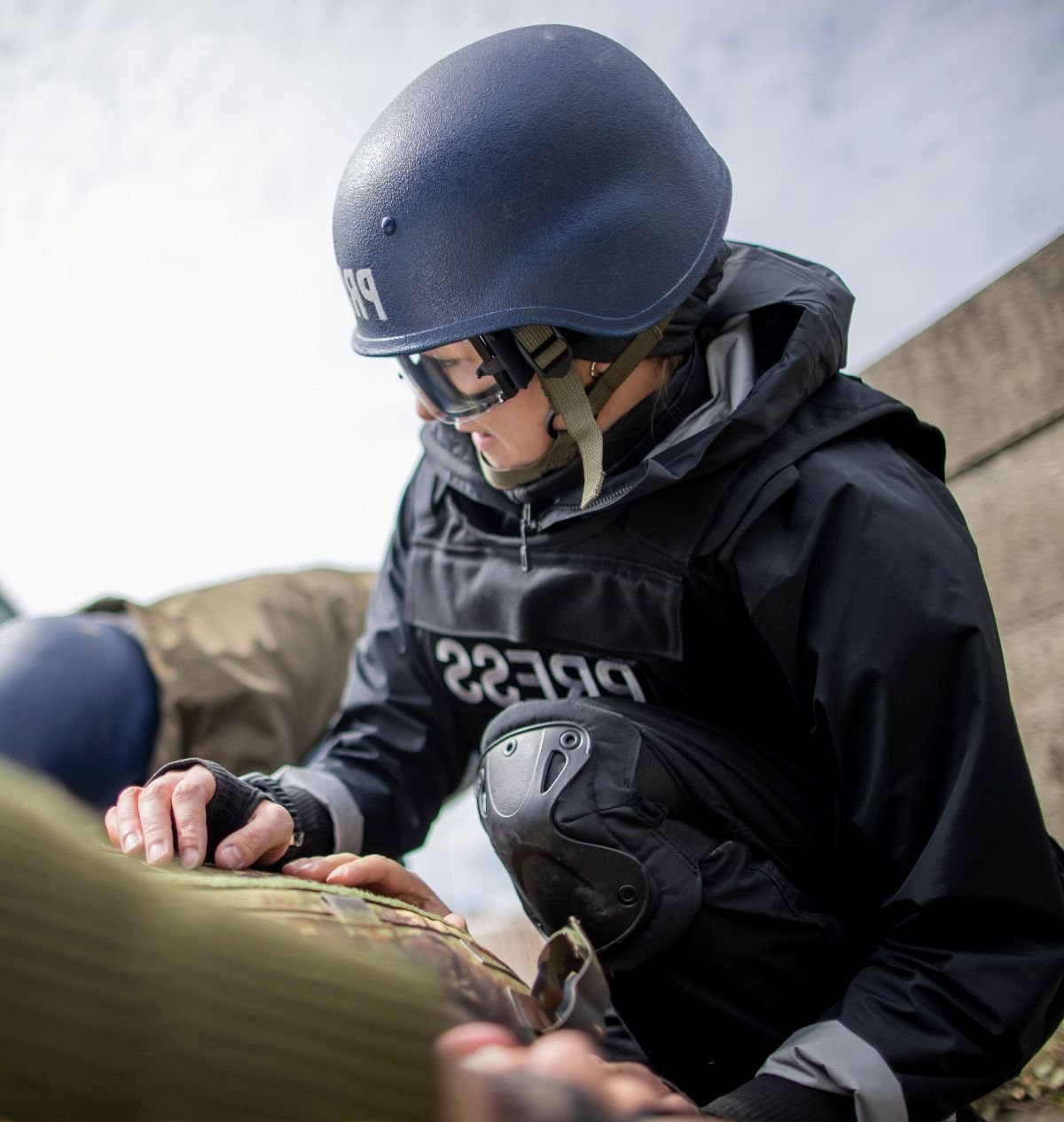
Why Choosing the Right HEAT Training Provider Matters
For NGOs, humanitarian organizations, and media groups operating in fragile or conflict-affected regions, Hostile Environment Awareness Training (HEAT) is not optional. It’s a critical staff safety investment.
Yet many organizations select training providers based on convenience, reputation, or price alone, often choosing courses that:
-
rely on outdated curricula from 2010–2015
-
ignore modern threats like AI misinformation or spyware
-
fail to prepare staff psychologically for extreme stress
-
lack realistic digital and physical threat simulations
Choosing the wrong provider can put your staff and local partners at risk. This article helps NGOs evaluate training providers effectively, ensuring courses meet modern HEAT training trends.
Why Most NGOs Get It Wrong
Many organizations assume all HEAT courses are the same. Common mistakes include:
-
Selecting generic “run and hide” tactical courses
-
Ignoring digital security threats
-
Failing to assess stress inoculation and psychological preparedness
-
Not checking instructor experience in real conflict zones
-
Choosing based solely on cost
Modern HEAT threats, from AI-driven misinformation to Pegasus-style spyware tracking, require up-to-date, expert-led training, not generic simulations.
7 Questions Every NGO Should Ask When Choosing a HEAT Provider
1. Does the Course Cover Modern Threats?
A high-quality provider addresses both physical and digital risks:
-
AI-generated misinformation
-
Digital surveillance and tracking
-
Kidnapping risk management
-
Crowd manipulation scenarios
-
Cyber hygiene for field personnel
Courses that ignore these threats are stuck in 2015-era training models.
2. Are Stress and Psychological Skills Included?
Check if the provider offers stress inoculation training:
-
Understanding the amygdala hijack and fight-or-flight responses
-
Decision-making under extreme pressure
-
Psychological resilience exercises
-
Trauma awareness and coping strategies
Training that ignores the human element leaves staff vulnerable to panic and cognitive shutdown in high-stress environments.
3. What Are the Instructor Credentials?
Ask about:
-
Field experience in conflict zones
-
Knowledge of NGO operations
-
Certifications in HEAT, security, or tactical operations
-
Psychological training expertise
Instructor expertise is critical, it directly affects real-world preparedness.
4. How Realistic Are the Scenarios?
Effective HEAT courses combine simulation with cognitive skill-building:
-
Checkpoints, kidnappings, and ambush drills
-
Crisis decision-making under pressure
-
Integration of digital threat scenarios (spyware, misinformation)
Courses that focus only on tactical roleplay fail to prepare staff for complex, hybrid threats.
5. Is the Course Customizable for Your Organization?
Every NGO operates differently. Consider whether:
-
The course can simulate region-specific threats
-
Cultural awareness and local context are included
-
Staff roles are addressed (field, operations, journalists, medical staff)
Customization ensures training relevance and effectiveness.
6. Are Long-Term Support and Refresher Training Provided?
HEAT training should not be one-and-done:
-
Refresher sessions prevent skill decay
-
Access to updated threat intelligence ensures ongoing preparedness
-
Post-training support improves organizational security culture
Training without follow-up can leave teams unprepared for evolving threats.
7. What Do Past Clients Say?
Ask for:
-
References from NGOs with similar operations
-
Case studies demonstrating training effectiveness in real deployments
-
Evidence of modern HEAT curriculum updates
A reputable provider can show results, not just marketing promises.
Key Red Flags When Evaluating Providers
-
No coverage of digital surveillance or AI threats
-
Focus exclusively on physical tactics
-
No psychological resilience or stress management modules
-
Outdated materials or instructors without field experience
-
Courses that lack customization or follow-up support
Avoiding these red flags ensures staff receive training that truly prepares them for modern hostile environments.
Modern HEAT Training Trends to Look For
Top providers integrate physical, digital, and psychological preparation into one comprehensive course:
-
Physical: Checkpoints, ambushes, convoy security
-
Digital: Spyware detection, location privacy, misinformation management
-
Psychological: Stress inoculation, amygdala hijack mitigation, decision-making under pressure
Courses that combine these elements give NGOs full-spectrum operational readiness.
Conclusion: Invest in Training That Truly Protects Staff
Choosing the right HEAT provider is a mission-critical decision. The wrong course can leave your staff vulnerable, compromise operational security, and increase stress and psychological risk.
Ask the right questions, look for modern HEAT training trends, and choose a provider that combines:
-
Tactical survival skills
-
Digital security and threat awareness
-
Psychological resilience and stress inoculation
Doing so ensures your team is fully prepared for the realities of hostile environments.
FAQ: Choosing the Right HEAT Training Provider
What is a modern HEAT training provider?
A provider that integrates physical, digital, and psychological threat preparedness into hostile environment awareness courses for NGOs and humanitarian staff.
How can NGOs evaluate HEAT training providers?
Ask about curriculum content, instructor experience, scenario realism, digital and psychological training, customization, and follow-up support.
Why is stress inoculation important in HEAT training?
Stress inoculation helps participants manage amygdala hijacks, think clearly under pressure, and make better decisions during emergencies.
Are all HEAT courses the same?
No. Many providers still offer outdated courses focusing only on tactical drills. Modern HEAT training addresses physical, digital, and psychological threats.
