
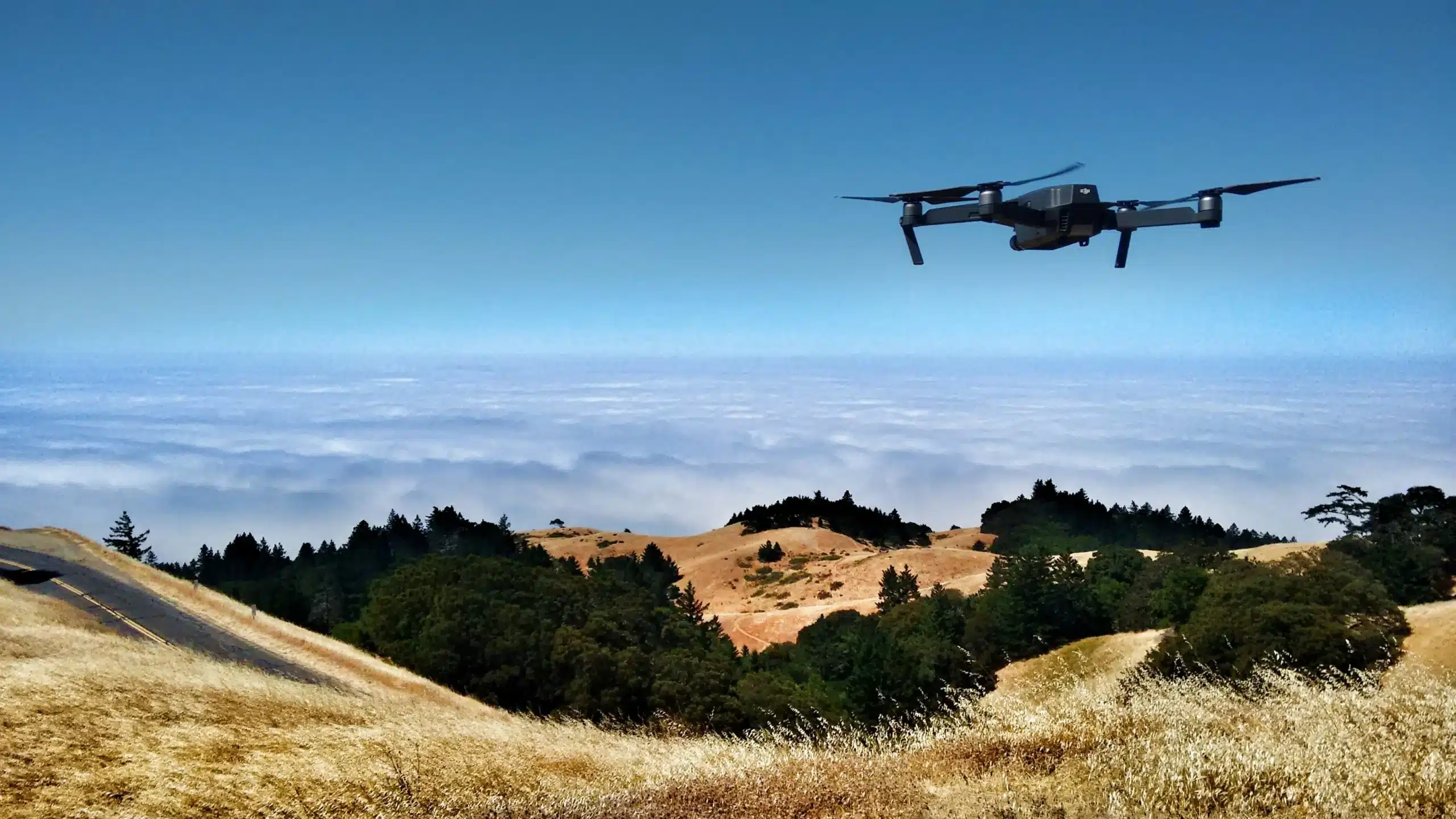
Drones have become a constant presence in conflict zones, creating new risks for journalists and NGO field workers. Understanding drone behavior, recognizing threats early, and applying practical safety strategies are crucial for survival. This article provides actionable guidance on drone threat mitigation in hostile environments, including low-signature movement, identifying drone hum, and specialized “Hide, Run, Fight” protocols for UAV encounters.
What Makes Drones a Modern Threat
Drones, or unmanned aerial vehicles (UAVs), have evolved from niche military tools into widely accessible surveillance devices. They range from small commercial quadcopters to advanced military reconnaissance drones with thermal and infrared sensors. In hostile environments, drones can:
-
Monitor movements of journalists or NGO teams
-
Capture sensitive imagery or video
-
Relay real-time intelligence to armed groups or authorities
Identifying the type of drone is the first step in mitigating its threat. Commercial drones typically have a higher-pitched buzzing, whereas military drones produce a steady, low drone that can carry cameras for long-range observation. FPV (first-person view) drones are fast and agile, often used for precise targeting or reconnaissance in urban zones.
Low-Signature Movement Techniques
Minimizing visibility and predictability is essential for drone threat mitigation in hostile environments. Low-signature movement involves:
-
Using natural cover such as trees, walls, and terrain features
-
Avoiding repetitive paths or predictable schedules
-
Moving in shadows or low-light conditions whenever possible
-
Keeping a low profile to reduce the chance of thermal or visual detection
These techniques significantly reduce the likelihood of being observed by aerial surveillance and allow teams to operate safely in high-risk zones.
How to Identify Drone Presence
Recognizing a drone before it reaches your location can provide critical seconds to react. Key methods include:
-
Listening for distinctive drone hums: small quadcopters buzz sharply, while larger UAVs have a deep, steady sound
-
Watching for movement shadows or glints on reflective surfaces
-
Being aware of sudden changes in air traffic or unusual sounds in open areas
Early detection gives field workers the time to execute appropriate countermeasures and safety protocols.
Hide, Run, Fight Protocols for UAV Encounters
Adapting the “Hide, Run, Fight” approach specifically for drones can improve survival chances:
Hide
-
Seek cover in buildings, dense vegetation, or behind walls
-
Stay low to reduce visual and thermal visibility
-
Avoid open spaces where UAVs can easily spot movement
Run
-
If hiding is impossible, move unpredictably and change directions frequently
-
Use terrain features to break line-of-sight
-
Split from groups if multiple people are at risk, reducing overall detection
Fight
-
Direct engagement with drones is rarely recommended without specialized training
-
Countermeasures such as drone nets or approved jamming devices should only be used by trained personnel
-
Focus on reducing exposure rather than attempting to neutralize the UAV
Additional Tips for Journalists and NGO Field Workers
-
Maintain situational awareness at all times, especially in urban and open areas
-
Coordinate movements and communication to avoid predictable patterns
-
Regularly update teams on known UAV activity in the area
-
Conduct drone threat simulations and drills for preparedness
Conclusion
Drone threat mitigation in hostile environments requires vigilance, preparation, and practical strategies. By mastering low-signature movement, recognizing drone hum and signs, and applying the adapted “Hide, Run, Fight” protocols, journalists and NGO field workers can significantly reduce risk from aerial surveillance. Staying informed and proactive is the key to safely operating in modern conflict zones.
Meta description: Learn how to survive drones in conflict zones with low-signature movement, drone detection techniques, and “Hide, Run, Fight” protocols. Essential guide for journalists and NGO field workers.
