
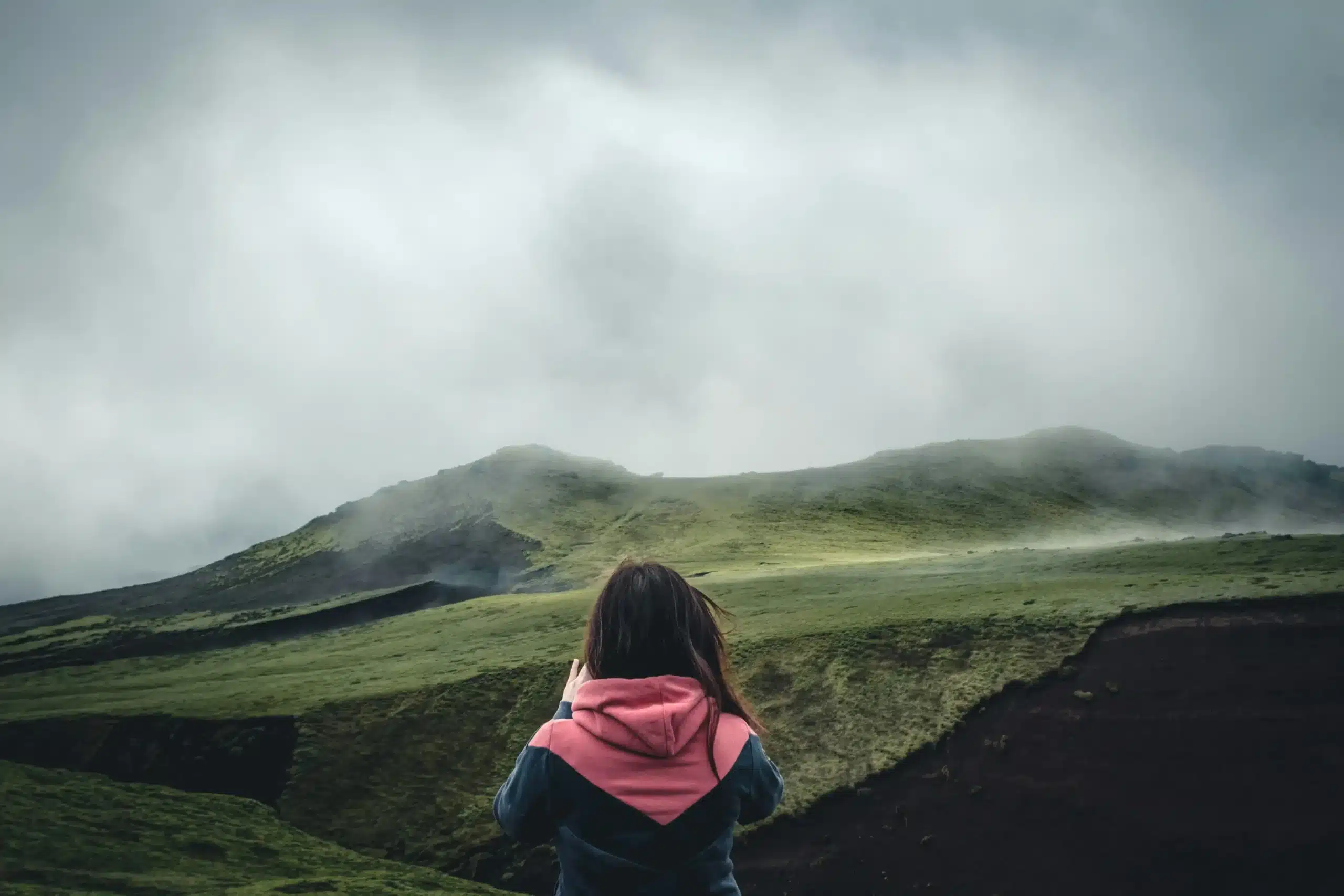
Traveling alone as a woman can be transformative. But for female solo travelers in hostile environments, preparation must go beyond logistics and itinerary planning.
In high-risk regions, whether politically unstable, culturally restrictive, or climate extreme, women face distinct security, social, and physiological challenges. Understanding these risks is not about fear. It is about strategic empowerment.
This comprehensive guide provides actionable, field-tested strategies to help women travel safely, confidently, and intelligently in hostile environments.
What Is a Hostile Environment?
In professional security contexts, particularly in Hostile Environment Awareness Training (HEAT), a hostile environment refers to regions where:
-
Crime rates are elevated
-
Political instability is present
-
Terrorism or kidnapping risks exist
-
Cultural restrictions limit female autonomy
-
Climate conditions increase physical strain
For women, these risks are layered with gender-specific targeting patterns.
The Unique Risks Female Solo Travelers Face
Increased Visibility
In certain regions, a woman traveling alone may be perceived as socially unprotected, financially resourced, or culturally unfamiliar.
This perception can increase risks of harassment, surveillance, coercion, and opportunistic crime.
Cultural Enforcement of Gender Norms
In conservative societies, deviations from expected dress or behavior may attract unwanted attention, escalate verbal harassment, or trigger confrontation.
Understanding social norms is not about compliance. It is about risk reduction.
Situational Awareness for Women Traveling Alone
Situational awareness is your primary defensive tool.
Build a Rapid Cultural Baseline
Before moving confidently through a new environment, observe:
-
How local women dress
-
Whether they walk alone or in groups
-
Their body language and pace
-
Interaction norms between men and women
-
Public transport behavior
Blending in reduces attention. Attention increases vulnerability.
Mirroring safe local behavior patterns is a strategic advantage.
Cultural Dress Requirements and Heat Management
One of the most overlooked challenges for female solo travelers in hostile environments is balancing modesty requirements with extreme heat conditions.
In some regions, long sleeves, head coverings, or ankle-length garments are socially expected. At the same time, high temperatures increase dehydration and heat exhaustion risk, both of which impair cognitive function and situational awareness.
Practical Heat Management Strategies
-
Choose breathable natural fabrics such as linen or lightweight cotton blends
-
Wear loose-fitting garments to increase airflow
-
Use moisture-wicking base layers
-
Carry electrolyte supplements
-
Schedule movement during cooler hours
-
Prioritize shade and hydration over itinerary pressure
Heat exhaustion reduces reaction time and decision-making quality, which directly impacts safety.
Managing body temperature is tactical.
Harassment Mitigation Strategies
Harassment in high-risk regions can range from persistent verbal engagement to physical encroachment.
Defensive Behavioral Techniques
-
Walk with purpose and controlled pace
-
Maintain a neutral facial expression
-
Limit prolonged eye contact in conservative cultures
-
Use reflective surfaces to monitor surroundings
-
Pre-identify exits in markets, transit hubs, and public venues
Confidence and decisiveness deter opportunistic targeting.
Transportation Security for Female Solo Travelers
Transportation is a common vulnerability point.
Best Practices
-
Arrange vetted drivers through reputable hotels or agencies
-
Avoid isolated pickup points
-
Share your live location with a trusted contact
-
Sit in the back seat behind the driver
-
Trust intuition if something feels wrong
Never override instinct to avoid appearing impolite.
Accommodation Safety Protocol
Your lodging should function as a secure recovery base.
-
Choose accommodations with visible security presence
-
Request rooms between the third and sixth floors
-
Avoid ground-floor rooms
-
Use portable door wedges or travel alarms
-
Avoid disclosing that you are traveling alone
When checking in, consider saying that someone will be joining you later.
Physiological Planning for Women in High-Risk Regions
Hydration and Energy Management
Women may experience fatigue and dehydration differently depending on hormonal cycles and body composition. Plan hydration proactively.
Menstrual Cycle Considerations
In remote or unstable areas:
-
Carry sufficient menstrual products
-
Anticipate limited pharmacy access
-
Account for fatigue or discomfort impacting alertness
Preparation prevents vulnerability during lower-energy phases.
Medical Preparedness
Carry:
-
Prescribed medications in sufficient quantity
-
Rehydration salts
-
Personal hygiene essentials
-
Backup contraception
Access to women-specific healthcare may be limited in hostile environments.
Digital Security and Online Visibility
Female solo travelers are frequently targeted through digital exposure.
Reduce Digital Risk
-
Disable geotagging on social media
-
Delay posting real-time location updates
-
Avoid tagging hotel names while staying there
-
Use privacy screens on devices in public spaces
-
Keep emergency contacts easily accessible
Online visibility can translate directly into physical risk.
Reading Environmental Signals
In hostile environments, watch for:
-
Groups forming stationary clusters near pathways
-
Shifts in collective attention toward you
-
Blocking behaviors near exits
-
Escalating vocal tone or aggressive gestures
-
Sudden crowd silence upon entry
If attention consolidates around you, reposition immediately.
You do not need confirmation of danger to justify leaving.
Final Thoughts
Female solo travel in hostile environments is not reckless. It is powerful when approached with discipline and preparation.
Empowerment does not mean ignoring risk. It means understanding it and navigating it deliberately.
With preparation, situational awareness, and strategic adaptation, women can operate confidently in high-risk regions without sacrificing independence.
