
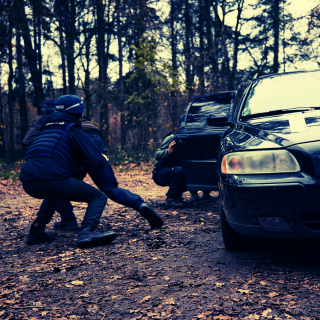
A journalist safety training course matters most before an assignment starts going wrong. Not after the first checkpoint delay, not after a crowd shifts mood, and not after a fixer says the route is no longer safe. For reporters, photojournalists, producers, and field teams working in unstable environments, training is not a formality. It is a practical layer of protection that shapes decision-making under pressure. A journalist safety training course is the most effective way to build that preparation before deployment.
The best courses are built for the real pace and ambiguity of field reporting. Journalists rarely face a single clean threat. A routine movement can turn into exposure to civil unrest, armed actors, aggressive surveillance, medical delay, or detention risk within minutes. Safety training prepares people to recognize that change early and respond with discipline rather than improvisation.
What a journalist safety training course is really for
At a basic level, the course is designed to reduce vulnerability. That means helping journalists identify threats sooner, make better movement decisions, communicate more effectively, and manage the first critical minutes of an incident. It also means understanding when not to proceed.
That last point matters. Many journalists are skilled at pushing through obstacles. In hostile or politically unstable settings, that instinct can become a liability. A credible training course does not encourage bravado. It teaches risk judgment, proportionality, and the ability to balance editorial value against human exposure.
Good training also supports employers and commissioning organizations. Newsrooms, production houses, and international media teams carry duty-of-care responsibilities when assigning staff to dangerous environments. A structured course helps create a shared standard for preparedness. It gives editors greater confidence that deployed personnel understand the basics of personal security, trauma response, and incident behavior.
Core modules in a journalist safety training course
The strongest programs are scenario-based and operational in tone. They do not rely on abstract lectures alone. A journalist safety training course should combine classroom instruction with scenario-based exercises that reflect real field conditions.
Situational awareness and movement planning
This is usually the foundation. Participants learn how to read an environment before it becomes overtly dangerous. That includes route selection, entry and exit planning, pattern avoidance, recognizing pre-incident indicators, and understanding how local context changes risk.
Situational awareness is often misunderstood as simply staying alert. In reality, it is a structured discipline. Journalists need to assess terrain, crowd dynamics, checkpoints, likely flashpoints, and communication gaps while still doing their job. Training should teach a repeatable method, not just general advice.
Emergency trauma care in austere settings
Medical response is one of the most important parts of any serious course. In high-risk reporting environments, professional medical help may be delayed, blocked, or unavailable. Journalists should be able to control severe bleeding, manage airways, address shock, and stabilize injuries long enough to support evacuation.
This is not the same as standard workplace first aid. A useful course frames medical care around hostile or remote conditions, where resources are limited and extraction is uncertain. Participants should practice with realistic scenarios, stress, and equipment they may actually carry in the field.
Civil unrest, protests, and crowd hazards
Many journalists need safety training for unrest environments long before they ever work in a war zone. Protest coverage can shift quickly from manageable to chaotic. The risks include crush injuries, baton charges, projectiles, panic movement, arrest, and separation from team members.
Training should cover positioning, escape routes, protective equipment, communication plans, and behavior when caught in crowd compression or disorder. It should also address the difference between covering a protest and becoming trapped inside it. That distinction often comes down to movement discipline and timing.
Checkpoints, detention, and kidnapping risk
Journalists working in conflict-affected or politically tense areas may encounter armed checkpoints, irregular security actors, or state detention. They may also face kidnap risk, especially in areas where media visibility creates leverage.
A credible course should address how to behave during stop-and-search encounters, what information to carry, how to manage demeanor, and how to reduce escalation. For kidnapping survival, the goal is not false certainty. It is to improve recognition of precursor indicators and provide a framework for conduct if capture occurs.
This is an area where realism matters. No training can remove the seriousness of detention or abduction. What it can do is replace panic with a clearer mental model of what to expect and how to preserve options.
Weapons, explosives, and emerging threats
Journalists do not need weapons training, but they do need threat recognition. Understanding the effects of gunfire, fragmentation, indirect fire, and blast hazards helps people make better protective decisions. The same applies to unexploded ordnance and the risks created by damaged infrastructure after strikes or clashes.
Increasingly, training should also address drone threats. Journalists in conflict and politically unstable regions may be exposed to surveillance drones or weaponized systems. Even when a drone is not directly targeting media personnel, its presence can alter movement safety, concealment choices, and crowd behavior.
Resilience and performance under pressure
Field pressure does not only affect physical safety. Fatigue, stress, adrenaline, and cumulative exposure can degrade judgment. Journalists may normalize risk, miss basic indicators, or struggle to switch from reporting mode to self-protection mode.
A strong course should include practical resilience components. That means stress recognition, decision-making under pressure, team communication, and methods for regaining cognitive control after a shock event. This is not about soft language or generic wellness advice. It is about sustaining operational function when conditions are unstable.
What separates a credible course from a superficial one
Not every journalist safety training course delivers the same value. Some are too general, too classroom-heavy, or too detached from the realities of modern field deployment. The best journalist safety training course will test decision-making under stress, not just deliver information.
Instructor background is a major differentiator. Participants benefit most when trainers have direct operational experience in journalism, humanitarian response, medicine, or security work. That mix matters because journalists do not operate like military teams, and media-specific pressures affect how risk is managed in practice.
Scenario realism is another key factor. Useful training places participants into time-sensitive exercises that reflect actual reporting environments – hostile checkpoints, disorderly crowds, casualty response, communications breakdowns, and uncertain extraction. If a course never tests decision-making under stress, it may leave participants informed but not ready.
The course should also be current. Threat environments evolve. Drone use, digital exposure, fragmented armed control, and hybrid protest-policing dynamics have changed what journalists may face. A program built on outdated assumptions can create false confidence.
Who should take a journalist safety training course
The obvious audience is foreign correspondents and conflict reporters, but the need is broader than that. Photojournalists, documentary crews, local producers, freelancers, investigative reporters, and newsroom staff preparing for short-term deployments can all benefit.
Freelancers often have the greatest exposure because they may work without the institutional support available to large organizations. At the same time, staff reporters should not assume employer backing replaces individual readiness. Equipment, insurance, and planning support are important, but they do not help much if a journalist freezes at a checkpoint or cannot manage a severe bleed.
Editors and managers should also think carefully about assignment profile. A journalist traveling for elections, corruption investigations, border reporting, or civil unrest coverage may need formal training even if the destination is not classified as an active war zone. Risk is shaped by context, not labels.
A journalist safety training course is particularly valuable for freelancers who lack institutional support.
What to ask before you book
Before choosing a provider, ask what scenarios are used, who the instructors are, whether trauma care is field-focused, and how much practical time is included. Ask whether the course addresses protests, detention, kidnapping survival, and current threats such as drones. Ask how the program supports both individual participants and organizational duty-of-care requirements.
It is also worth asking whether the course is immersive enough to reveal gaps in your own habits. The best training is often uncomfortable in productive ways. It exposes weak assumptions, rushed thinking, and avoidable vulnerabilities before the field does.
Providers with real hostile environment experience, such as Bluespear, tend to understand that preparation must be practical, not performative. Journalists do not need theater. They need methods they can apply on a bad day, in a bad location, with incomplete information.
The right journalist safety training course will not make hostile reporting safe. No honest provider should claim that. What it can do is give journalists a sharper threshold for danger, a better response under stress, and a stronger chance of coming home with both the story and the team intact. That is the standard worth training for.
