
What is Situational Awareness?
Situational awareness is the ability to perceive environmental elements and events in time and space, understand their meaning, and anticipate their future status. It involves observing, detecting, and orienting yourself to both static and moving elements in your surroundings. By understanding how your movements interact with your environment, you can make better decisions and respond effectively to changing situations.
In essence, this skill is about staying alert, aware, and prepared for any event or threat that may arise around you.
Why Situational Awareness Matters
Situational awareness is not just a military or aviation skill, it’s crucial for personal safety, security, and effective decision-making in daily life. It allows you to:
- Detect potential hazards or threats early
- Comprehend the implications of events around you
- Project and anticipate future scenarios to act proactively
Organizations, emergency responders, and even individuals can benefit from developing this ability to navigate complex and dynamic environments safely.
The Three Levels of Situational Awareness
Situational awareness consists of three main components:
- Perception: Observing your environment using all your senses to gather information.
- Comprehension: Understanding the meaning of the information and how it relates to the bigger picture.
- Projection: Anticipating potential outcomes and planning your response accordingly.
Mastering these levels allows you to react faster, make informed decisions, and stay safe in both everyday and high-risk situations.
Situational Awareness and Personal Safety
Situational awareness is the cornerstone of personal safety and security. By being mindful of your surroundings, you can:
- Identify suspicious behavior or unsafe areas
- Detect potential threats before they escalate
- Take preemptive actions to protect yourself and others
For example, recognizing unsafe neighborhoods, unusual behavior in public spaces, or potential hazards in your environment can help you avoid danger and maintain control over your safety.
Benefits of Situational Awareness
Developing this skill provides numerous advantages:
- Enhanced safety: Identify threats before they occur
- Faster response times: React quickly in emergencies
- Improved decision-making: Understand context and act appropriately
- Reduced risk in high-stress environments: Maintain composure and focus
Even small improvements in threat awareness can significantly increase your chances of staying safe in unpredictable or hazardous situations.
Selective Attention vs Situational Awareness
Selective attention is when we focus on one stimulus while ignoring others. While necessary for concentration, it can lead to inattentional blindness, where you miss critical events around you.
For example, looking at your phone while walking might prevent you from noticing a car approaching. To overcome this:
- Practice mindfulness to stay present
- Consciously expand your awareness of your surroundings
- Train yourself to notice subtle environmental cues
This conscious effort strengthens your environmental awareness, helping you avoid accidents and threats.
Recognizing Elevated Risk Areas
Elevated risk areas are locations with a higher chance of danger, such as:
- High-crime neighborhoods
- Crowded public spaces
- Conflict zones
Understanding these areas allows you to take preventive measures, stay vigilant, and minimize potential threats.
How to Improve Situational Awareness
Improving your threat awareness requires practice and focus:
- Scan your environment regularly – Don’t fixate on one point
- Trust your instincts – Intuition often signals potential danger
- Analyze patterns and behaviors – Identify potential threats early
- Practice scenario-based drills – Prepare for emergencies
- Stay physically and mentally alert – Fatigue reduces awareness
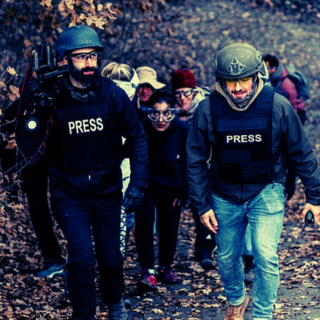
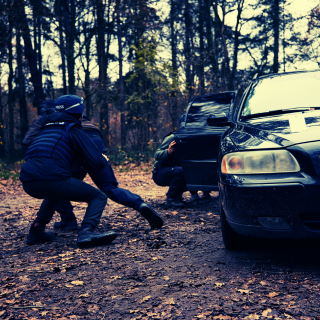
Hostile Environment Awareness Training (HEAT) is one of the most effective ways to develop and test situational awareness skills under realistic pressure. By incorporating these habits, you can enhance your perception, comprehension, and projection skills to stay safer and make smarter decisions.
Conclusion
Situational awareness is a critical life skill that empowers individuals and organizations to stay safe, make informed decisions, and anticipate potential risks. By understanding your surroundings, recognizing threats, and projecting possible outcomes, you gain the ability to respond effectively to dynamic environments.
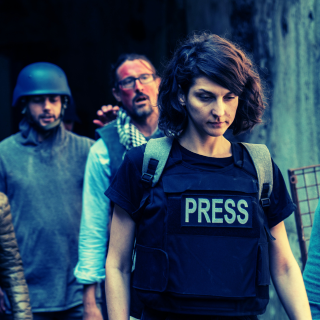
For aid workers and journalists operating in hostile environments, situational awareness is not optional, it is a fundamental survival skill. Whether for personal safety, workplace security, or emergency preparedness, mastering this skill is essential in today’s unpredictable world.
Ready to take your situational awareness skills to the next level? Enroll in our comprehensive HEAT training course today and learn how to stay alert, anticipate risks, and protect yourself in any environment.