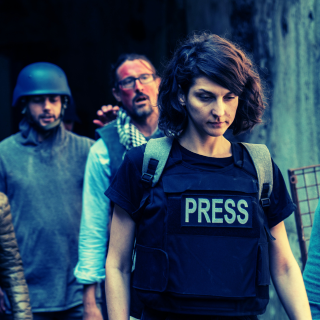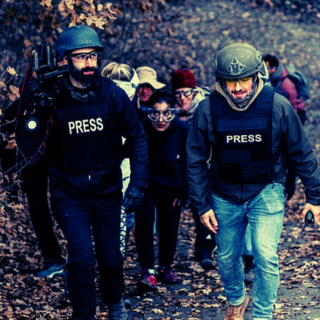
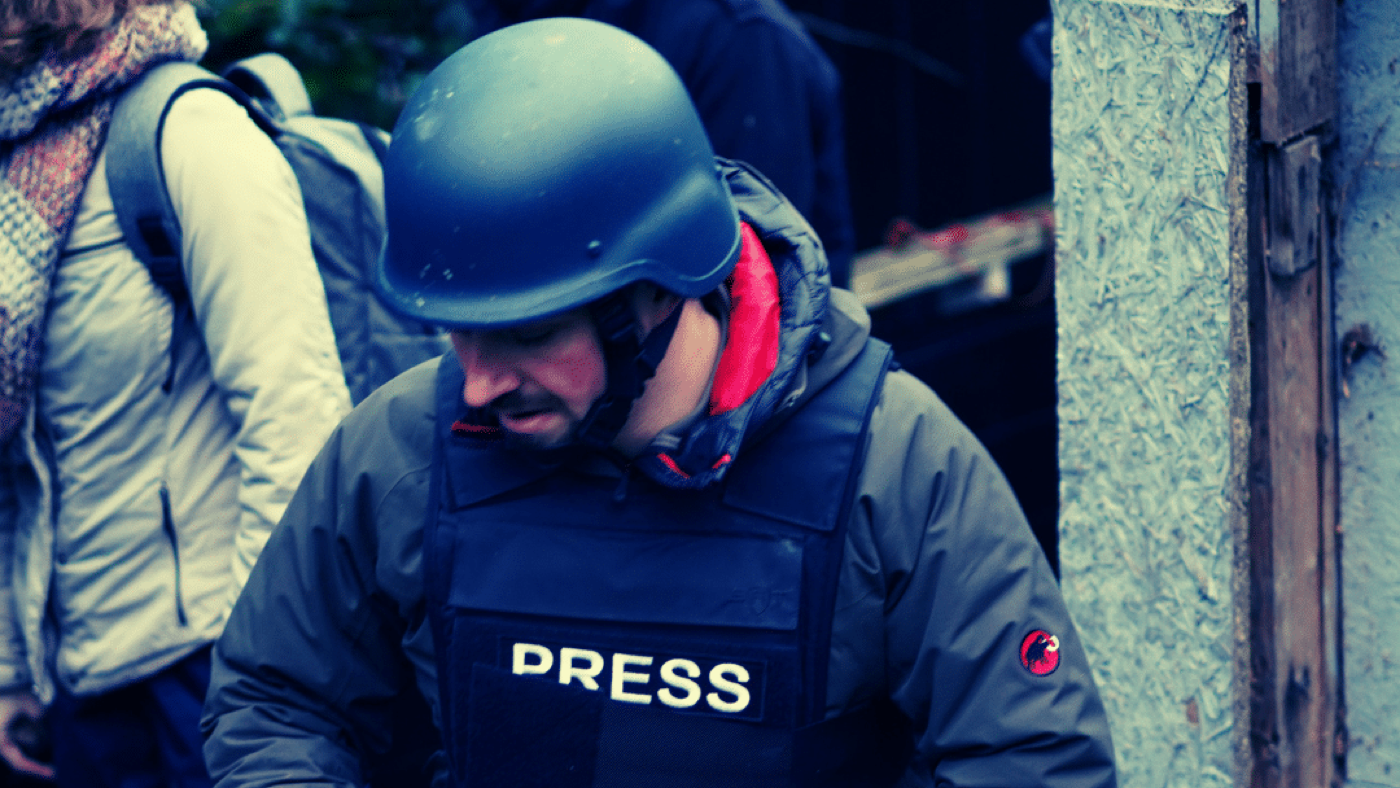
Wearing the wrong body armor can be deadly. Many people assume that any protective vest will stop both bullets and shrapnel, but ballistic threats and fragmentation threats require very different types of protection.
For journalists, humanitarian workers, private security personnel, and civilians operating in unstable environments, understanding the difference between ballistic armor and fragmentation armor is critical. Choosing the correct body armor for civilians can significantly reduce the risk of fatal injury when exposed to gunfire or explosive hazards.
This guide explains the difference between ballistic and fragmentation protection, how NIJ body armor levels work, the tradeoff between weight and mobility, and how to properly fit body armor so it protects the vital organs.
Ballistic vs Fragmentation Armor
When researching body armor for civilians, the first step is understanding the two main types of threats armor is designed to stop.
Ballistic protection
Ballistic armor is designed to stop bullets fired from firearms. These threats include handgun rounds, rifle ammunition, and in some cases armor-piercing rounds.
Ballistic body armor works by absorbing and dispersing the kinetic energy of the projectile. Materials such as aramid fibers or rigid plates spread the force of impact, slowing the bullet until it stops before penetrating the armor.
Common materials used in ballistic body armor for civilians include:
-
Aramid fibers such as Kevlar
-
UHMWPE (ultra high molecular weight polyethylene)
-
Ceramic armor plates
-
Hardened steel plates
Ballistic protection is classified using NIJ body armor levels, which define what types of ammunition armor must stop during testing.
Fragmentation protection
Fragmentation armor protects against debris produced by explosions. Fragments may come from grenades, artillery shells, improvised explosive devices, or structural materials propelled by blast pressure.
Fragment threats behave differently than bullets. They are often irregularly shaped, vary widely in size, and may strike the body from multiple directions at once.
Fragmentation protection usually relies on flexible materials that catch or slow high-velocity debris before it penetrates the body.
Examples include:
-
Kevlar fragmentation vests
-
military style flak jackets
-
soft armor panels designed for blast environments
A key mistake many people make when buying body armor for civilians is assuming a fragmentation vest will also stop rifle rounds. In many cases it will not.
NIJ Body Armor Levels for Civilians
When selecting body armor for civilians, the most widely recognized classification system is the NIJ standard developed by the National Institute of Justice.
These levels indicate the type of ballistic threats armor can stop during standardized testing.
1. NIJ Level IIIA
Level IIIA is the highest level of soft armor commonly used in concealable vests.
Threats stopped
-
Most handgun rounds
-
.44 Magnum
-
high velocity 9mm
Typical civilian use
Level IIIA body armor for civilians is commonly used by journalists, close protection teams, and security personnel operating in environments where handgun threats are more likely than rifles.
Limitations
Level IIIA armor does not stop rifle rounds.
2. NIJ Level III
Level III armor is designed to stop standard rifle threats.
Threats stopped
-
7.62×51 NATO
-
7.62×39 rifle rounds
-
many intermediate rifle calibers
Level III plates used in body armor for civilians are typically made from polyethylene or composite materials designed to reduce weight while maintaining rifle protection.
Advantages
Level III armor provides rifle protection while remaining lighter than most Level IV plates. This makes it a popular option for civilians who need to maintain mobility.
3. NIJ Level IV
Level IV provides the highest widely available ballistic protection level for civilian armor plates.
Threats stopped
-
.30-06 armor piercing ammunition
-
high velocity rifle rounds
Level IV plates usually combine a ceramic strike face with a composite backing that captures bullet fragments after impact.
Tradeoffs
Level IV body armor for civilians provides maximum ballistic protection but also adds significant weight, which can reduce mobility during movement or evacuation.
Weight vs Protection Tradeoff
One of the most important factors when choosing body armor for civilians is the balance between protection and mobility.
Higher protection levels almost always mean heavier armor plates.
Typical plate weights include:
| Armor Level | Weight per plate |
|---|---|
| Level IIIA soft armor | 1–2 kg |
| Level III polyethylene | 1.5–2.5 kg |
| Level IV ceramic | 2.5–3.5+ kg |
A full armor system including carrier and plates may add between 8 and 12 kilograms to the wearer.
For civilians operating in high risk environments, this weight can reduce endurance, increase fatigue, and slow movement during emergencies.
Because of this, many experienced operators choose armor that balances protection and mobility rather than simply selecting the highest rating available.
How Body Armor Should Fit
Even high quality armor will not provide protection if it does not cover the correct parts of the body.
Proper fit is essential when selecting body armor for civilians.
Protecting vital organs
Ballistic plates are designed to protect the most critical organs in the torso:
-
the heart
-
the lungs
-
the major blood vessels
Correct plate placement
The front plate should sit high on the chest. The top edge should align with the suprasternal notch, the small indentation at the base of the throat.
This positioning protects the aortic arch and upper lungs.
If armor plates sit too low, the heart and major arteries may remain exposed even though the wearer believes they are protected.
Plate Carriers vs Full Coverage Armor
Body armor for civilians is usually configured in one of two main systems.
Plate carriers
Plate carriers hold rigid ballistic plates and prioritize mobility.
Advantages include lighter weight, modular equipment attachment, and better freedom of movement.
However, plate carriers typically provide less fragmentation coverage around the sides and shoulders.
Full coverage armor systems
Full coverage armor combines soft armor panels with ballistic plates.
This configuration improves fragmentation protection and increases coverage around the torso.
The main disadvantage is increased weight and reduced mobility.
Common Mistakes When Buying Body Armor for Civilians
Many first time buyers misunderstand how armor works.
Choosing handgun rated armor in rifle environments
Many conflict zones involve rifle threats, making pistol rated armor insufficient.
Ignoring weight and mobility
Heavy armor may reduce the ability to move quickly during evacuation.
Incorrect plate sizing
Plates that are too small leave vital organs unprotected.
Confusing fragmentation vests with bulletproof vests
A fragmentation vest may stop shrapnel but fail against rifle rounds.
Choosing the Right Body Armor for Your Risk Environment
Selecting body armor for civilians should start with a realistic assessment of the threats present in the operating environment.
Threat environment
Urban crime environments may involve handgun threats, while conflict zones often include rifles and explosive hazards.
Mobility requirements
Individuals who need to move frequently may prioritize lighter armor systems.
Duration of wear
Armor worn for long periods must remain comfortable enough to allow sustained movement.
The best body armor for civilians is the system that provides appropriate protection while still allowing the wearer to move, react, and escape danger if necessary.
Frequently Asked Questions
What body armor should civilians use
The best body armor for civilians depends on the expected threats. Level IIIA soft armor may be sufficient for handgun risks, while rifle environments may require Level III or Level IV plates.
Does a fragmentation vest stop bullets
Most fragmentation vests are designed to stop shrapnel rather than rifle rounds. Some may stop handgun ammunition but they are not typically rifle rated.
What does Level IV armor stop
Level IV body armor is tested to stop armor piercing rifle rounds such as .30-06 armor piercing ammunition.
How heavy is civilian body armor
A typical plate carrier with Level III or Level IV plates may weigh between 8 and 12 kilograms depending on materials and configuration.