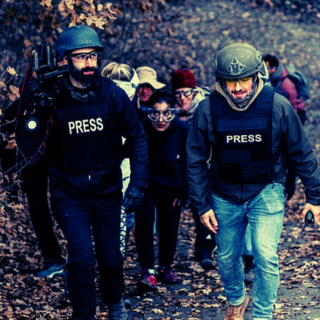
Working in conflict zones, disaster areas, or politically unstable regions exposes professionals to significant health risks in hostile environments. Journalists, humanitarian workers, aid staff, and security personnel often operate in locations where medical infrastructure is limited and health hazards are high.
Understanding the health hazards associated with hostile environments is essential for maintaining personal safety and ensuring a successful deployment. By identifying potential risks and following proper prevention strategies, individuals can significantly reduce their exposure to illness, injury, and long-term health complications.
Managing Health Risks During Deployment
People working in hostile regions face a range of physical and psychological health threats. The most common health risks in hostile environments include the following:
Physical Injuries
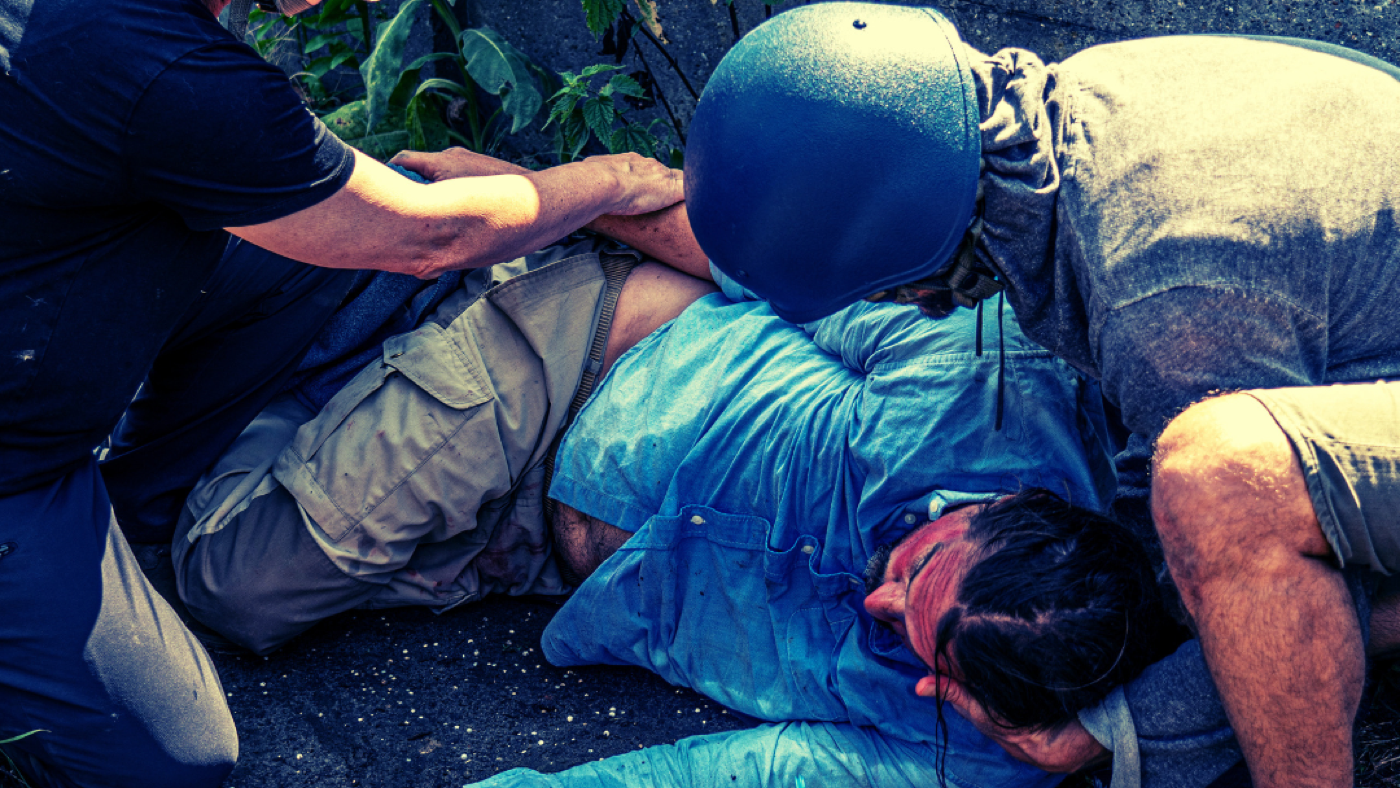
Violence, civil unrest, and unstable infrastructure frequently result in injuries. These may range from minor cuts and bruises to severe trauma such as fractures, burns, or gunshot wounds.
Proper first aid training, access to medical supplies, and knowledge of emergency procedures are essential when operating in hostile environments where immediate medical assistance may not be available.
Infectious Diseases
In many hostile environments, sanitation systems and healthcare services are limited or damaged. This increases the risk of infectious diseases such as:
-
Cholera
-
Typhoid fever
-
Hepatitis
-
Malaria
Maintaining strict hygiene practices, including regular hand washing and safe food consumption, helps reduce the likelihood of infection. Vaccinations and preventative medication should also be considered before deployment.
Mental Health Challenges
Exposure to violence, prolonged stress, and traumatic events can severely affect psychological well-being. Individuals working in hostile environments may experience:
-
Post-traumatic stress disorder (PTSD)
-
Anxiety
-
Depression
-
Burnout from long deployments
Access to mental health support, counseling, and peer support systems is crucial for maintaining resilience both during and after deployment.
Best Practices for Managing Health Risks in Hostile Environments
Reducing health risks in hostile environments requires preparation before deployment and careful health management while in the field.
Before Deployment
1. Understand Regional Health Hazards
Before traveling to a new or unfamiliar region, research the primary health risks in that hostile environment. This includes climate-related illnesses, disease outbreaks, and medical infrastructure availability.
2. Consult a Medical Professional
Before deployment, schedule a consultation with your doctor or a travel health clinic. They will advise on necessary vaccinations and health precautions based on your destination.
Common travel vaccinations may include protection against:
-
Hepatitis
-
Typhoid
-
Yellow fever
-
Tetanus
Early consultation allows enough time to complete vaccination schedules before departure.
3. Follow Preventative Medical Advice
Your healthcare provider may recommend additional protective measures such as preventative medications or prophylaxis. Following these recommendations significantly reduces your risk of disease exposure.
4. Check Entry Requirements
Some countries require proof of vaccination to prevent the spread of infectious diseases. One common requirement is a Yellow Fever vaccination certificate, particularly when entering certain countries in Africa and South America.
Failing to provide proper documentation may result in denied entry.
5. Malaria Prevention
Malaria remains one of the most serious health risks in hostile environments, especially in tropical and subtropical regions. Because it is transmitted by infected mosquitoes, prevention is essential.
Medical professionals may recommend antimalarial prophylaxis, depending on the destination and the individual’s medical history.
6. Know Your Blood Type
In medical emergencies, knowing your blood type can save valuable time. Always carry a written record of your blood type and other essential medical information.
After Deployment
Conditions in hostile environments can change rapidly. Maintaining health and safety requires constant awareness and proactive habits.
1. Protect Yourself From Mosquito-Borne Diseases
Regions with high humidity and rainfall often have higher rates of mosquito-borne diseases such as malaria and dengue fever.
To reduce risk:
-
Take prescribed antimalarial medication
-
Sleep under mosquito nets
-
Use insect repellent
-
Wear long-sleeved shirts and trousers
-
Stay in well-screened accommodations when possible
2. Maintain Proper Hygiene
Good hygiene is one of the most effective ways to prevent illness in hostile environments.
Regularly wash your hands using clean running water and soap. This simple habit removes harmful bacteria and viruses and helps prevent infections.
3. Follow Safe Food and Water Practices
Foodborne illnesses are common in areas with limited sanitation.
To reduce risk:
-
Eat food that is thoroughly cooked and served hot
-
Avoid raw vegetables and salads if water quality is uncertain
-
Avoid ice cubes and unpasteurized products
-
Drink bottled or properly treated water
A useful rule to remember is:
“Boil it, cook it, peel it, or leave it.”
4. Identify Medical Facilities in Advance
Before beginning work in a new area, identify available hospitals, clinics, and medical professionals. Knowing where to seek treatment can save critical time during emergencies.
5. Understand Emergency Procedures
Every organization operating in hostile environments should have emergency medical procedures in place. Familiarize yourself with these procedures so you can respond quickly and effectively if a medical crisis occurs.
6. Seek Medical Attention Early
Even minor injuries or illnesses can escalate quickly in hostile environments. Prompt consultation with a qualified healthcare professional can prevent complications and ensure faster recovery.
Conclusion: Managing Health Risks in Hostile Environments
Working in unstable regions inevitably exposes individuals to health risks in hostile environments. In many locations, illnesses such as malaria, diarrheal disease, or infections may pose greater threats than security risks.
However, many of these dangers can be minimized through preparation, awareness, and preventative measures. By following medical advice, maintaining hygiene, and staying informed about local health conditions, professionals can significantly reduce their exposure to health hazards.
Ultimately, maintaining good health while working in hostile environments requires both organizational support and personal responsibility. Taking proactive precautions ensures that you remain safe, resilient, and capable of completing your mission successfully.