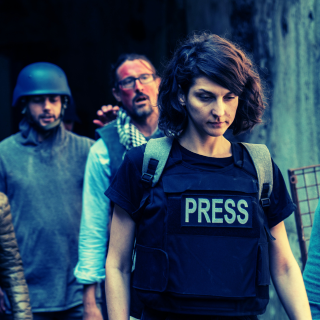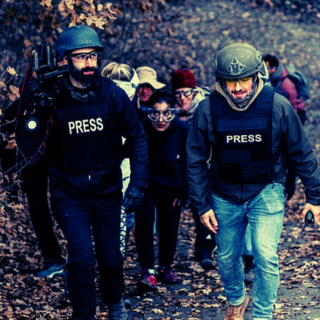
HEAT for journalists, or Hostile Environment Awareness Training, is essential for media professionals operating in conflict zones. It teaches reporters and fixers how to stay safe while balancing body armor, mobility, and hydration under extreme conditions. Reporting from modern conflict zones requires situational awareness, psychological resilience, and effective conflict management to operate safely.
Reporting in modern conflict zones requires balancing personal safety with mobility, situational awareness, and the demands of storytelling. This guide focuses on practical strategies for journalists to maintain hydration, mobility, and heat management while wearing protective gear like body armor in hostile environments.
Understanding the Challenges
Working in conflict zones presents unique challenges:
-
Heavy body armor restricts movement and traps heat
-
High-stress environments increase fatigue and cognitive load
-
Unpredictable crowds, riot conditions, and active frontlines raise the risk of injury
-
Limited access to water and rest areas
These challenges require both physical preparation and psychological resilience. Proper HEAT training helps journalists anticipate and mitigate these risks.
Protective Gear and Heat Management
Body armor is critical for safety but can quickly lead to overheating. Key strategies include:
-
Layering Wisely – Use lightweight, breathable base layers under armor to reduce sweat accumulation.
-
Hydration Planning – Carry sufficient water and electrolyte supplements; pre-plan resupply points during assignments.
-
Cooling Breaks – Whenever safe, remove armor in secure areas to allow body temperature to normalize.
-
Mobility Check – Practice moving quickly and safely in full gear to ensure that heat and weight do not compromise escape routes.
-
Monitoring Signs – Watch for dizziness, fatigue, and shortness of breath as early signs of heat stress.
Balancing protection with mobility is essential for journalists who need to move through unpredictable environments.
Situational Awareness for Journalists
HEAT training emphasizes awareness as a survival tool. Journalists should:
-
Observe crowd patterns and exit routes during riots or public protests
-
Identify potential sniper or crossfire zones at frontlines
-
Maintain communication with fixers and local contacts
-
Adjust movement based on environmental threats and available cover
A proactive approach to situational awareness reduces reaction time and improves decision-making under pressure.
Psychological Resilience in High-Risk Reporting
Conflict reporting is mentally taxing. Psychological resilience techniques include:
-
Cognitive Preparation – Anticipate scenarios and rehearse responses
-
Stress Management – Use controlled breathing and mental check-ins to maintain composure
-
Team Coordination – Communicate clearly with fixers and colleagues to reduce confusion
-
Decision-Making Under Pressure – Prioritize safety over footage or stories when necessary
A journalist who is mentally prepared can avoid panic and make more effective operational decisions.
Hydration and Nutrition Strategies
Extreme heat and exertion can lead to rapid dehydration and fatigue. Recommendations for journalists:
-
Carry portable hydration packs or bottles
-
Use electrolyte powders to replace lost minerals
-
Eat light, high-energy foods to maintain stamina
-
Plan meals and hydration breaks during secure windows of operation
Maintaining hydration and energy is as critical as wearing protective gear.
Fixers and Local Support
Fixers play a critical role in hostile environments. They provide:
-
Local knowledge of safe zones and crowd dynamics
-
Language support to reduce misunderstandings
-
Assistance in carrying equipment or gear
-
Alerts about sudden environmental or security changes
Collaboration with trained local fixers reduces risk and increases operational efficiency.
Key Takeaways
-
HEAT training is essential for journalists reporting from conflict zones.
-
Balance body armor protection with mobility, hydration, and heat management.
-
Situational awareness and exit planning are critical during riots and frontline coverage.
-
Psychological resilience allows journalists to make rational decisions under stress.
-
Fixers and team coordination increase safety and effectiveness.
A journalist who masters the principles of HEAT, hydration, mobility, and psychological resilience can report safely, even in high-risk modern conflict zones.