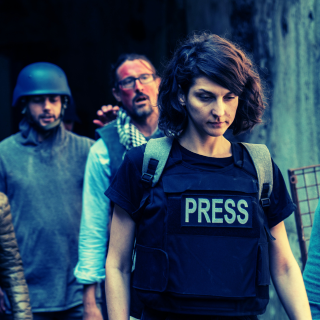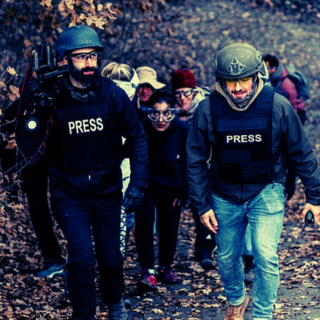

Insurance for freelance journalists in high-risk regions provides medical evacuation, life coverage, and kidnap protection for independent reporters working in war zones and conflict areas where standard insurance policies often exclude coverage.
Freelance journalists, photojournalists, and independent media professionals frequently operate in conflict zones, humanitarian crises, and politically unstable regions. Yet many enter these environments without proper insurance.
Without specialized coverage, freelancers face not only physical danger but also financial ruin, emotional strain, and overwhelming logistical challenges for their families.
Insurance is not optional in high-risk regions, it is a lifeline.
Why Insurance for Freelance Journalists in High-Risk Regions Is Hard to Obtain
Access to insurance for freelance journalists in high-risk regions remains one of the profession’s biggest challenges.
Common barriers include:
-
War zone exclusions in standard travel policies
-
Extremely high premiums
-
Limited providers offering conflict coverage
-
Complex underwriting requirements
As a result, many freelancers operate uninsured, relying on:
-
Personal savings
-
Emergency crowdfunding
-
Informal support networks
This coverage gap increases both financial and psychological pressure.
The Real Risks of Working Uninsured in Conflict Zones
1. Medical Emergencies
Serious injury in a war zone can result in:
-
Astronomical hospital bills abroad
-
Lack of access to quality medical facilities
-
Delayed or denied treatment
Without medical evacuation insurance, freelancers may be unable to afford emergency extraction.
2. Emergency Evacuation Costs
High-risk regions often require rapid extraction due to:
-
Escalating violence
-
Political instability
-
Natural disasters
-
Severe medical emergencies
Medical evacuations can cost tens of thousands of dollars. Without insurance, freelancers bear the full burden.
3. Kidnap and Ransom Scenarios
Kidnapping remains a real risk in certain conflict zones.
Specialized policies may include:
-
Kidnap and ransom coverage
-
Crisis negotiation support
-
Security consultancy services
Without coverage, families and colleagues may face devastating financial and logistical challenges.
4. Psychological Impact of Being Uninsured
Working in hostile environments is already mentally demanding. Knowing there is no safety net adds:
-
Increased anxiety
-
Impaired decision-making
-
Heightened stress
-
Emotional strain on family members
Insurance provides not only financial protection, but psychological reassurance.
What to Look for in Insurance for Freelance Journalists in High-Risk Regions
Not all policies are equal. When evaluating options, ensure coverage includes:
✔ Medical Treatment and Evacuation
Comprehensive coverage for injuries and emergency extraction.
✔ Life Insurance
Financial protection for dependents.
✔ Kidnap and Ransom Coverage
Specialized support in abduction scenarios.
✔ Equipment Protection
Coverage for cameras, protective gear, and communication equipment.
✔ Region-Specific Validity
Verify that your deployment area is not excluded.
How to Secure War Zone Insurance as a Freelancer
While challenging, obtaining war zone insurance for journalists is possible.
1. Research Specialized Providers
Some insurers focus specifically on:
-
Journalists
-
Aid workers
-
Security contractors
Standard travel insurance rarely covers conflict zones.
2. Consider Tailored Coverage Packages
Policies may be customized to:
-
Specific regions
-
Duration of assignment
-
Risk profile
-
Type of reporting
Balancing coverage and affordability is key.
3. Complete Hostile Environment Awareness Training (HEAT)
Completing HEAT or similar courses can:
-
Demonstrate preparedness
-
Reduce insurance premiums
-
Strengthen applications
-
Improve safety in the field
Training is often viewed favorably by insurers.
4. Explore Group or Collective Policies
Freelancers working through collectives or networks may negotiate:
-
Group discounts
-
Pooled risk coverage
-
Institutional backing
Collaboration increases bargaining power.
The Role of Media Organizations and NGOs
Insurance for freelance journalists in high-risk regions should not rest solely on individuals.
Media organizations and industry bodies can support by:
-
Offering subsidized insurance
-
Providing grants
-
Requiring and funding coverage
-
Creating pooled insurance schemes
Institutional responsibility is essential for ethical journalism.
BLUESPEAR’s Approach: Strengthening Insurance Eligibility
While BLUESPEAR does not provide insurance directly, it supports freelancers by offering discounted or free Hostile Environment Awareness Training (HEAT).
By equipping journalists with:
-
Risk awareness skills
-
Emergency response training
-
Recognized safety credentials
BLUESPEAR helps improve insurability and may reduce premium costs.
Training enhances both safety and credibility.
Key Insurance Tips for Freelance Journalists in Conflict Zones
Before deployment:
-
Research specialized war-zone insurers
-
Confirm coverage includes medical evacuation
-
Check kidnap and ransom provisions
-
Review policy exclusions carefully
-
Keep digital and physical copies of documentation
-
Maintain an emergency fund
-
Stay connected to journalist networks for insurance grants
Preparation reduces both financial and operational risk.
Frequently Asked Questions
Do standard travel insurance policies cover war zones?
Most standard policies exclude active conflict areas. Specialized insurance for freelance journalists in high-risk regions is required.
Is kidnap and ransom insurance necessary?
In certain regions, yes. It provides negotiation support and financial coverage in abduction scenarios.
Can HEAT training reduce insurance premiums?
In some cases, yes. Insurers may view formal hostile environment training as a risk-reduction factor.
Why is insurance important for freelance journalists?
Insurance protects against catastrophic medical costs, evacuation expenses, and financial devastation for families.
Final Thoughts
For freelancers covering conflict and crisis, insurance is not a luxury — it is a professional necessity.
Without proper coverage, journalists face not only physical danger but financial vulnerability that can last a lifetime.
Bridging the insurance gap requires cooperation between insurers, media organizations, training institutions, and freelancers themselves.
Courage alone is not a safety strategy. Insurance provides the safety net beneath it.