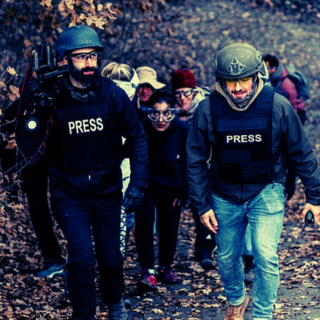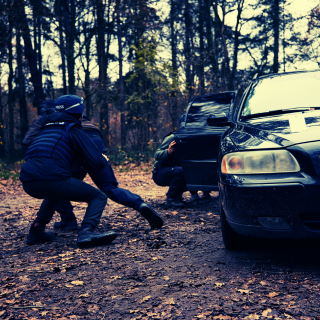

Traveling for work in high-risk environments poses unique challenges for journalists, corporate executives, and humanitarian workers. Civil unrest, crime, kidnapping, and political instability are real threats that can endanger personnel and disrupt operations. A comprehensive travel security checklist helps professionals stay prepared, reduce risks, and maintain personal safety while deployed abroad.
Whether you are a frontline journalist, an NGO field worker, or a business executive visiting volatile regions, following a structured approach to travel security is essential.
Pre-Travel Preparation
1. Risk Assessment
Before traveling, conduct a thorough risk assessment of your destination:
-
Political stability and conflict zones
-
Crime statistics and local threats
-
Terrorism and insurgency activity
-
Health and medical risks
-
Natural disaster potential
Use reliable sources such as government travel advisories, security intelligence, and NGO security reports.
2. Emergency Contacts
Compile a list of essential contacts before departure:
-
Local embassy or consulate
-
Security coordinators or local fixers
-
Medical facilities and hospitals
-
Company or NGO crisis management team
-
Family emergency contacts
Ensure all contacts are easily accessible and saved offline in case digital communications fail.
3. Insurance and Documentation
-
Verify that kidnap and ransom (K&R) insurance or travel risk insurance is up to date.
-
Keep digital and physical copies of passports, visas, and identification.
-
Share travel itineraries with your organization or security team.
Travel Security Essentials
1. Situational Awareness
Maintaining constant awareness is critical:
-
Observe surroundings at all times
-
Identify potential threats or unusual behavior
-
Avoid distractions such as smartphones or headphones in public
-
Be mindful of local customs and social tensions
2. Transportation Safety
Travel between locations safely by following these best practices:
-
Use vetted drivers and trusted transportation providers
-
Prefer secure vehicles, especially in high-risk areas
-
Avoid predictable travel routes and schedules
-
Maintain a safe distance from other vehicles in traffic
3. Accommodation Security
Your lodging should be as secure as your transport:
-
Choose hotels with security measures (CCTV, controlled access, guards)
-
Avoid rooms on the ground floor in high-risk areas
-
Check emergency exits and escape routes
-
Avoid disclosing room numbers or travel plans publicly
Operational Security (OPSEC) & Digital Awareness
1. Control Digital Exposure
-
Limit social media updates during travel
-
Avoid posting real-time location data
-
Use encrypted communication apps for sensitive conversations
2. Protect Equipment and Documents
-
Keep devices and documents secured at all times
-
Use password protection and encryption for laptops and smartphones
-
Back up important data securely
Safety During Field Operations
1. Dealing With Checkpoints and Authorities
-
Stay calm and polite during inspections
-
Have all identification and documentation ready
-
Avoid confrontations with local officials
2. Civil Unrest and Protest Awareness
-
Avoid large crowds or demonstrations
-
Identify safe zones and evacuation routes
-
Follow instructions from local authorities or security teams
3. Kidnap Prevention Strategies
-
Vary travel routes and routines
-
Be aware of surveillance or suspicious vehicles
-
Stay in groups whenever possible
-
HEAT (Hostile Environment Awareness Training) prepares you for worst-case scenarios
Health and Medical Preparedness
-
Carry a personal first aid kit and essential medications
-
Know the location of hospitals and emergency medical services
-
Stay hydrated, follow food safety precautions, and maintain vaccination requirements
Post-Travel Review
-
Conduct a debrief with your security or management team
-
Report any security incidents or near misses
-
Update risk assessments for future trips
Key Takeaways: Travel Security Checklist Summary
-
Pre-Travel Preparation – Risk assessments, emergency contacts, insurance, and documentation
-
Situational Awareness – Constant vigilance in public and field environments
-
Transportation & Accommodation Security – Vetted drivers, secure vehicles, safe hotels
-
Operational Security & Digital Awareness – Protect communications, devices, and sensitive data
-
Field Safety – Checkpoints, civil unrest, kidnap prevention
-
Health & Medical Preparedness – First aid, medications, hospital locations
-
Post-Travel Review – Debrief and update risk protocols
Conclusion
A comprehensive travel security checklist is essential for journalists, executives, and NGO staff operating in high-risk environments. By planning ahead, maintaining situational awareness, securing transportation and accommodation, controlling digital exposure, and preparing for emergencies, professionals can reduce risk and focus on their mission safely.
Investing in HEAT training and following a structured checklist ensures that personnel are prepared for unpredictable situations, minimizing threats to safety, operations, and reputation.