Who Needs HEAT Training? This question is increasingly relevant as organizations deploy journalists, humanitarian workers, corporate staff, and contractors into high-risk and politically unstable environments.
Hostile Environment Awareness Training (HEAT) is essential for professionals operating in conflict zones, high-crime regions, or fragile states, where threats such as kidnapping, civil unrest, targeted violence, and surveillance are real. Understanding who needs HEAT training is the first step in fulfilling duty of care responsibilities and reducing operational risk.
Understanding HEAT Training
Hostile Environment Awareness Training (HEAT) prepares civilians to recognize, avoid, and respond to security threats in hostile environments.
HEAT training typically includes:
-
Risk assessment and threat analysis
-
Situational awareness skills
-
Kidnap prevention and survival
-
Civil unrest and conflict navigation
-
Surveillance detection
-
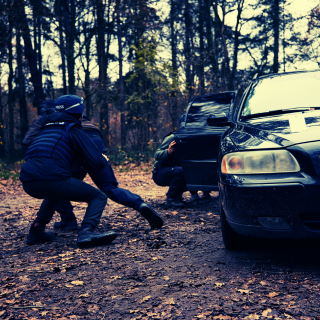
Checkpoint procedures
-
Trauma first aid awareness
-
Operational security (OPSEC)
-
Crisis response under stress
HEAT training is not military training. It is civilian-focused risk mitigation designed for professionals working in complex environments.
Who Needs HEAT Training?
Short Answer
Any organization deploying staff into high-risk, conflict-affected, politically unstable, or high-crime regions needs HEAT training.
Detailed Answer
The following industries are most at risk and should strongly consider Hostile Environment Awareness Training.
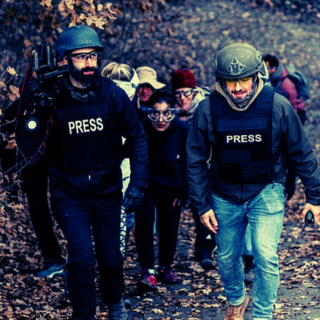
1. Journalists and Media Professionals
Journalists are among the highest-risk civilian groups in hostile environments.
Those who need HEAT training include:
-
War correspondents
-
Investigative journalists
-
Documentary filmmakers
-
Freelance reporters
-
Camera operators and field producers
Why Journalists Need HEAT Training
-
Increased kidnapping risk
-
Targeted violence
-
Detention at checkpoints
-
Civil unrest exposure
-
Hostile surveillance
HEAT training equips journalists with survival strategies, conflict navigation skills, and decision-making frameworks under pressure.
2. Humanitarian Workers and NGOs
Aid workers frequently operate in fragile states where infrastructure is weak and armed groups may be present.
Personnel who require HEAT training include:
-
NGO field staff
-
Medical mission teams
-
Logistics coordinators
-
Refugee camp personnel
-
Emergency response teams
Risks Facing Humanitarian Workers
-
Armed criminal groups
-
Kidnapping for ransom
-
Political instability
-
Community tensions
-
Limited evacuation options
HEAT training enhances personal security awareness and supports organizational duty of care obligations.
3. Oil, Gas, and Energy Sector Personnel
Energy projects often operate in remote, politically sensitive regions.
At-risk roles include:
-
Exploration teams
-
Engineers and geologists
-
Site managers
-
Security supervisors
-
Executive leadership
Why HEAT Training Is Critical in Energy Projects
-
Remote operational sites
-
Protest movements
-
Militant or insurgent threats
-
Organized crime targeting infrastructure
Hostile Environment Awareness Training reduces exposure by improving threat recognition and crisis preparedness.
4. Corporate Executives and Business Travelers
Executives traveling to high-risk countries face elevated exposure to:
-
Express kidnapping
-
Surveillance
-
Political unrest
-
Targeted crime
HEAT training for corporate travelers focuses on:
-
Travel risk assessment
-
Movement security
-
Operational security (OPSEC)
-
Crisis response
For multinational corporations, HEAT training strengthens resilience and reduces liability.
5. Contractors and Infrastructure Projects
Construction and development projects in fragile regions face complex security challenges.
Personnel who benefit from HEAT training:
-
Infrastructure engineers
-
International contractors
-
Project supervisors
-
Technical specialists
Threats include:
-
Road ambush risks
-
Civil unrest
-
Local political tensions
-
Criminal targeting
HEAT training improves risk awareness and supports safer project delivery.
6. Government Advisers and Diplomatic Personnel
Government representatives working abroad may face politically motivated threats.
HEAT training supports:
-
Secure movement planning
-
Threat detection
-
Crisis communication
-
Stress management
Preparedness significantly reduces vulnerability in politically sensitive environments.
7. Researchers and Field Specialists
Academics and researchers conducting fieldwork in unstable regions often underestimate security risks.
At-risk professionals include:
-
Environmental researchers
-
Public health teams
-
Election observers
-
Conflict analysts
-
Anthropologists
HEAT training provides practical security awareness tailored to field deployments.
When Is HEAT Training Required?
Your organization likely requires HEAT training if:
-
Staff travel to conflict zones
-
Personnel operate in high-crime cities
-
Teams work in politically unstable regions
-
Employees deploy to remote or fragile states
-
You lack structured crisis response training
If your staff operate outside stable, low-risk environments, HEAT training is strongly recommended.
Why HEAT Training Matters for Duty of Care
Organizations have a legal and ethical duty of care to protect employees working in high-risk environments.
Hostile Environment Awareness Training helps:
-
Reduce preventable incidents
-
Improve emergency response
-
Strengthen insurance compliance
-
Demonstrate proactive risk management
-
Protect organizational reputation
Failure to provide adequate training may expose organizations to liability and reputational damage.
Key Takeaways: Who Needs HEAT Training?
HEAT training is essential for:
-
Journalists
-
Humanitarian workers
-
NGOs
-
Oil and gas personnel
-
Corporate executives
-
Contractors
-
Government advisers
-
Field researchers
If your role involves operating in unstable, hostile, or high-risk regions, Hostile Environment Awareness Training is not optional, it is a professional necessity.
Final Answer
Who needs HEAT training?
Any professional or organization deploying personnel into high-risk environments where threats such as kidnapping, civil unrest, crime, or political instability exist.
Prepared teams are safer teams. And in hostile environments, preparation saves lives.