
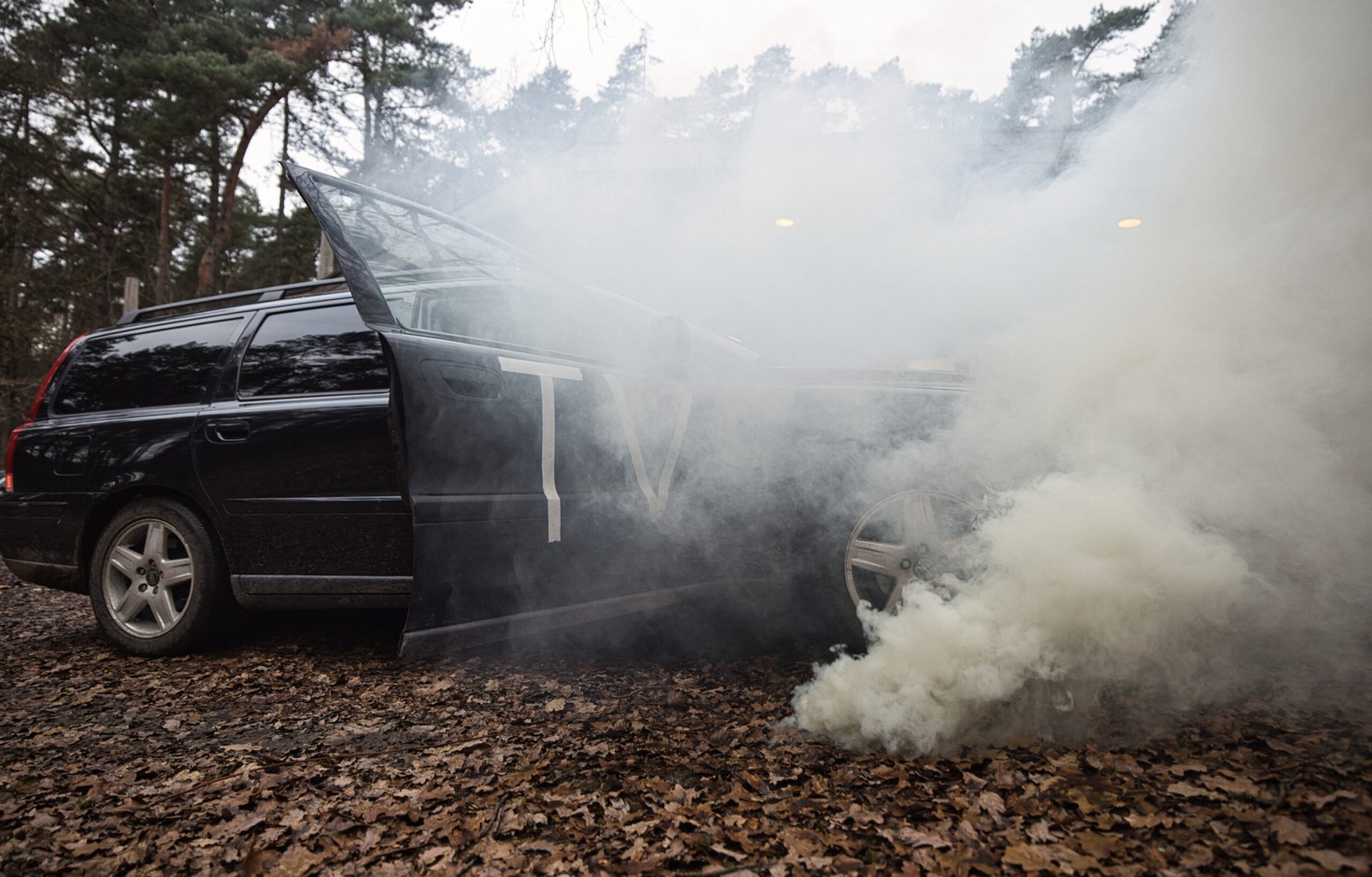
Vehicle Ambush Drills are specialized survival training exercises designed to prepare journalists and media professionals for sudden attacks on vehicles, including gunfire, roadblocks, explosives, and drone threats.
In conflict zones, civil unrest, or high-risk reporting environments, a vehicle can become a target within seconds. The ability to recognize danger, react decisively, and escape the kill zone is what determines survivability.
These drills transform fear and uncertainty into structured, trained response.
What Are Vehicle Ambush Drills?
Vehicle Ambush Drills are scenario-based training simulations that replicate real-world attacks on press or civilian vehicles in hostile environments.
These drills train participants to:
-
Detect early warning signs of an ambush
-
Execute Immediate Action Drills (IADs)
-
Escape blocked or trapped routes
-
Respond to drone tracking or targeting
-
Evacuate safely under fire
-
Communicate effectively under extreme stress
The objective is simple: reduce reaction time and increase survival probability.
Why Vehicle Ambush Drills Matter for Journalists
Modern threat landscapes have evolved. Press markings no longer guarantee protection. In some environments, they increase visibility and risk.
Journalists covering:
-
Armed conflicts
-
Political instability
-
Organized crime
-
Civil unrest
face unpredictable vehicle-based threats.
Vehicle ambush drills prepare media teams to move from shock to action without hesitation.
Core Components of Professional Vehicle Ambush Drills
1. Situational Awareness & Threat Recognition
Every effective response begins before the ambush happens.
Participants are trained to:
-
Identify choke points and high-risk intersections
-
Recognize suspicious positioning of vehicles or individuals
-
Maintain constant 360-degree scanning
-
Communicate threat indicators early
Prevention and anticipation dramatically increase survival outcomes.
2. Immediate Action Drills (IADs)
Immediate Action Drills are the foundation of vehicle ambush survival.
They simulate sudden attacks that require split-second decisions.
Training includes:
-
Responding to simulated gunfire from front, rear, or flanks
-
Choosing acceleration vs. reversing under pressure
-
Maintaining vehicle control while under stress
-
Minimizing exposure time in the kill zone
The primary objective: get out of the ambush zone immediately.
3. Drone Threat Response
Modern conflicts increasingly involve drone surveillance and targeting.
Vehicle ambush drills now include:
-
Evasive route changes
-
Avoiding stationary positioning
-
Using structures for concealment
-
Rapid relocation strategies
Drone-related threats require adaptability and speed.
4. Roadblock & Obstacle Escape Techniques
Ambushes frequently use blocked routes to trap vehicles.
Training covers:
-
Controlled evasive driving
-
Identifying secondary escape routes
-
Emergency vehicle exit procedures
-
Coordinated team extraction
Speed combined with discipline is critical.
5. Communication Under Fire
Chaos kills. Clarity saves lives.
Vehicle ambush drills emphasize:
-
Short, decisive commands
-
Clear team role assignments
-
Coordinated evacuation timing
-
Immediate post-incident reporting protocols
Communication under stress must become automatic.
Realistic Scenario Based Vehicle Ambush Drills

Advanced training recreates:
-
Narrow urban ambush scenarios
-
Multi-directional simulated gunfire
-
Blocked road traps
-
Drone surveillance overhead
-
Time-pressured decision-making environments
Repetition builds instinctive response. Instinct reduces hesitation. Reduced hesitation increases survival.
How to Survive a Vehicle Ambush
To survive a vehicle ambush:
-
Accelerate out of the kill zone immediately if mobility allows.
-
Avoid stopping unless escape is impossible.
-
Make fast, decisive decisions, hesitation increases exposure.
-
Communicate clearly with your team.
-
Seek hard cover if evacuation becomes necessary.
The golden rule: minimize time inside the ambush zone.
Key Benefits of Regular Vehicle Ambush Drills
Consistent vehicle ambush drills:
-
Build muscle memory
-
Improve reaction speed
-
Reduce panic responses
-
Strengthen team coordination
-
Increase situational awareness
-
Improve survival odds in real-world incidents
Under extreme stress, the brain defaults to training not theory.
Final Thoughts:
Vehicle Ambush Drills are not about fear, they are about readiness.
Journalists operate in environments where unpredictability is constant and threats evolve rapidly. The difference between survival and catastrophe is rarely strength or luck: it is preparation.
When an ambush occurs, there is no time to debate options. There is no time to research tactics. There is only reaction.
Vehicle ambush drills ensure that reaction is:
-
Controlled, not chaotic
-
Coordinated, not fragmented
-
Decisive, not delayed
Prepared journalists do not eliminate risk, but they dramatically reduce vulnerability.
In high-risk reporting environments, training is not an accessory to the job. It is a responsibility to yourself, your team, and the mission you are there to document. Hostile Environment Awareness Training (HEAT) provides the structured framework that turns vehicle ambush drills from isolated exercises into part of a comprehensive survival skillset.
The reality is simple:
The ambush you prepare for is the ambush you survive.
If journalists are expected to document the world’s most dangerous events, they deserve the highest level of preparation. Vehicle ambush drills provide that preparation, turning uncertainty into capability and fear into focused action.
