
HEAT Training Is Not Just Tactical
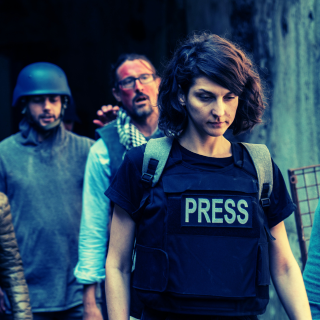
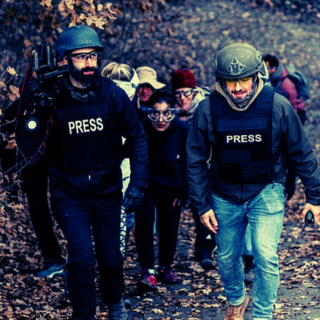
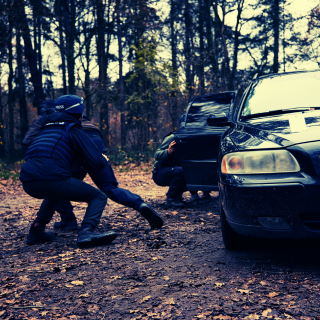
When many people imagine Hostile Environment Awareness Training (HEAT), they picture participants running through simulated checkpoints or practicing escape scenarios from armed attackers.
While tactical drills are an important part of preparation, they represent only one side of the equation.
In reality, the greatest challenge aid workers, journalists, and humanitarian staff face in hostile environments is often psychological rather than physical.
Extreme stress can cause even highly trained individuals to freeze, panic, or make poor decisions. In dangerous situations, these reactions can have life-threatening consequences.
This is why stress inoculation training for NGOs has become one of the most important components of modern HEAT programs. By preparing the brain to function under pressure, participants learn how to remain calm, think clearly, and make effective decisions in chaotic environments.
What Is Stress Inoculation Training?
Stress inoculation training is a psychological preparation method designed to help individuals maintain cognitive performance during high-stress situations.
Originally developed in clinical psychology and later adopted by military and emergency services, stress inoculation exposes participants to controlled stress scenarios that simulate real-world threats.
These exercises allow individuals to practice:
-
decision-making under pressure
-
emotional regulation during crisis situations
-
situational awareness during chaos
-
communication in high-risk environments
Over time, repeated exposure to controlled stress helps the brain adapt to intense situations, reducing the likelihood of panic or cognitive shutdown.
For humanitarian organizations, this approach is particularly valuable because many staff members have little prior exposure to conflict or disaster environments.
Understanding the “Amygdala Hijack”
One of the key psychological phenomena addressed in stress inoculation training is known as the amygdala hijack.
The amygdala is a part of the brain responsible for detecting threats and triggering the body’s fight-or-flight response.
When the brain perceives extreme danger, the amygdala can override rational thinking processes in the prefrontal cortex.
This reaction can cause:
-
tunnel vision
-
loss of situational awareness
-
impaired decision-making
-
emotional panic
-
memory gaps
In life-threatening situations, this response may occur within milliseconds.
While this instinct evolved to help humans survive, it can be dangerous in complex security scenarios where clear thinking is essential.
Stress inoculation training teaches participants how to recognize and manage this response, allowing them to remain functional even during intense stress.
The Psychological Effects of Working in Hostile Environments
Aid workers and journalists operating in fragile or conflict-affected regions face unique psychological challenges.
The psychological effects of working in hostile environments may include:
-
chronic stress and fatigue
-
exposure to traumatic events
-
moral injury from difficult ethical decisions
-
prolonged uncertainty and insecurity
-
isolation from family and support networks
Over time, these pressures can lead to:
-
burnout
-
anxiety
-
depression
-
post-traumatic stress disorder (PTSD)
Preparing personnel psychologically before deployment is therefore a critical part of responsible risk management for humanitarian organizations.
HEAT training programs increasingly integrate mental resilience strategies alongside tactical skills.
Hard Skills vs Soft Skills in HEAT Training
Hard Skills: Tactical Preparedness
Traditional HEAT training emphasizes practical survival skills such as:
-
navigating armed checkpoints
-
responding to kidnappings
-
managing civil unrest
-
emergency first aid
-
convoy security and evacuation planning
These hard skills are essential for responding to physical threats.
However, they depend heavily on one critical factor: the participant’s ability to think clearly under stress.
Without psychological readiness, even the best tactical training may fail during real emergencies.
Soft Skills: Psychological Resilience
Modern HEAT programs now place significant emphasis on psychological preparedness.
These soft skills include:
-
stress management techniques
-
emotional regulation under pressure
-
situational awareness
-
crisis communication
-
decision-making during uncertainty
Developing these capabilities helps individuals remain mentally functional in chaotic environments.
This is where stress inoculation training for NGOs plays a central role.
How Stress Inoculation Training Works
Effective stress inoculation training typically follows three phases.
Education
Participants first learn about the physiological and psychological effects of stress.
Understanding how the brain reacts to danger helps individuals recognize when their stress response is escalating.
Skill Development
Participants practice practical techniques such as:
-
controlled breathing
-
cognitive reframing
-
maintaining situational awareness
-
structured decision-making under pressure
These techniques help regulate the body’s stress response.
Controlled Stress Exposure
Finally, participants are exposed to realistic training scenarios designed to simulate high-pressure situations.
Examples may include:
-
chaotic checkpoint encounters
-
simulated kidnappings
-
crowd aggression scenarios
-
crisis communication exercises
The goal is not to overwhelm participants, but to gradually build confidence and resilience.
Why Stress Inoculation Is Critical for Aid Workers
Humanitarian professionals often work in environments where the unexpected is common.
A routine journey may suddenly become dangerous due to:
-
armed confrontations
-
rapidly changing political situations
-
hostile crowds
-
misinformation targeting NGOs
In these moments, the ability to remain calm and assess the situation rationally can make the difference between escalation and safe resolution.
Stress inoculation training prepares individuals for this reality by strengthening both mental resilience and decision-making ability.
The Future of HEAT Training
As the humanitarian sector evolves, so does the understanding of what effective security preparation looks like.
Modern HEAT programs are moving beyond purely tactical training to include:
-
psychological resilience training
-
trauma awareness education
-
mental health support strategies
-
decision-making under pressure
This integrated approach recognizes that the human brain is often the most important safety tool in hostile environments.
Organizations that prioritize psychological preparation alongside tactical skills are better equipped to protect their personnel and sustain long-term humanitarian operations.
Conclusion: Training the Mind as Well as the Body
Working in fragile and conflict-affected environments demands more than physical survival skills.
It requires the ability to think clearly, manage stress, and maintain situational awareness during extreme pressure.
Stress inoculation training helps humanitarian workers develop these abilities by preparing the brain for high-risk situations before they occur.
For NGOs, journalists, and international organizations operating in complex environments, this psychological preparation is no longer optional—it is an essential component of modern Hostile Environment Awareness Training.
FAQ: Stress and Psychological Safety in HEAT Training
What is stress inoculation training?
Stress inoculation training prepares individuals to manage intense stress by exposing them to controlled high-pressure scenarios and teaching coping techniques.
Why is psychological training important for aid workers?
Aid workers often face traumatic events, uncertainty, and high-risk environments. Psychological training helps them remain calm, make better decisions, and reduce long-term mental health risks.
What is an amygdala hijack?
An amygdala hijack occurs when the brain’s threat detection system overrides rational thinking, triggering panic or emotional reactions during extreme stress.
Does HEAT training include mental resilience training?
Many modern HEAT programs now incorporate stress management, trauma awareness, and psychological resilience training alongside tactical security exercises.